Chimney and fireplace inspection during winter is essential for homeowner safety, heating efficiency, and preventing fire or carbon monoxide hazards. In New Jersey, cold weather increases fireplace use while snow, ice, and freezing temperatures can worsen hidden chimney damage. A professional winter chimney inspection helps identify creosote buildup, flue blockages, masonry cracks, and ventilation issues before they turn into serious safety concerns or costly repairs.
As experienced home inspectors serving New Jersey, we often find chimney and fireplace issues during winter inspections that could have been prevented with routine checks. Whether you are buying, selling, or living in your home, understanding the importance of winter chimney inspections is essential.
Why Chimney & Fireplace Inspections Are Critical in Winter?
Fireplaces and chimneys work hardest during the winter months. Any hidden issue becomes more dangerous when systems are in frequent use.
Common winter-related risks include:
-
Creosote buildup from repeated fires
-
Blocked or damaged flues
-
Cracked chimney liners
-
Loose or deteriorated masonry
-
Improper draft causing smoke or carbon monoxide backup
In New Jersey homes, freeze-thaw cycles can worsen small cracks, leading to rapid deterioration. A winter inspection helps identify these concerns before they become costly or hazardous.
What a Chimney & Fireplace Inspection Covers?
A professional inspection focuses on both visible and functional components of the system.
Fireplace Structure and Firebox
Inspectors evaluate the firebox for cracks, damaged refractory panels, and signs of heat stress. Even hairline cracks can expand with repeated heating.
Chimney Flue and Liner
The flue liner directs smoke and gases safely outside. Damage or separation in the liner can allow heat and gases to escape into walls or attic spaces.
Creosote Buildup
Creosote is a highly flammable residue that accumulates inside the chimney. Excessive buildup is one of the leading causes of chimney fires.
Chimney Cap and Crown
The chimney cap prevents animals, debris, and moisture from entering. The crown seals the top of the chimney and protects it from water damage.
Draft and Ventilation
Proper draft ensures smoke flows upward and out of the home. Poor draft can result in smoke backing into living spaces.
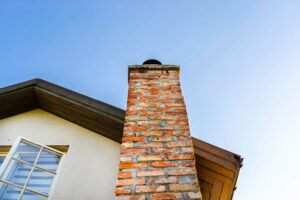
Winter-Specific Chimney Issues Found in New Jersey Homes
During winter inspections in Middlesex County and surrounding areas, inspectors often identify:
-
Moisture intrusion from melting snow
-
Freeze-related cracking in brick or mortar joints
-
Blockages caused by nesting animals seeking warmth
-
Rusted dampers due to condensation
-
Carbon monoxide concerns from restricted airflow
These problems are especially common in older homes throughout New Jersey communities.
Chimney Inspections for Home Buyers
If you are buying a home during winter, a chimney and fireplace inspection is essential. Fireplaces are not always actively tested during warmer months, but winter provides an opportunity to observe how the system performs under real conditions.
A proper inspection helps buyers:
-
Avoid unexpected repair costs
-
Negotiate repairs or credits
-
Ensure safe use immediately after closing
Chimney Inspections for Home Sellers
For sellers, a pre-listing chimney inspection can prevent last-minute surprises during buyer inspections. Addressing chimney issues early helps streamline transactions and builds buyer confidence.
A clean and well-documented chimney inspection report often supports smoother closings during the winter real estate season in New Jersey.
How DGM Inspection Services Helps?
DGM Inspection Services provides thorough chimney and fireplace inspections as part of comprehensive home inspections across New Jersey. Our inspections are detailed, easy to understand, and focused on safety and long-term performance.
Our services include:
-
Full home inspections with chimney and fireplace evaluation
-
Buyer inspections
-
Pre-listing inspections
-
New construction inspections
-
Maintenance-focused inspections for homeowners
We inspect homes throughout New Jersey, including Middlesex County and surrounding areas.
Check out all our services that help to find issue before they become costly repair.
When Should You Schedule a Winter Chimney Inspection?
Ideally, inspections should occur before heavy fireplace use begins. However, winter inspections are still valuable and often reveal active issues that require immediate attention.
Schedule an inspection if:
-
You plan to use your fireplace regularly
-
Smoke enters the room when the fireplace is on
-
You smell strong odors near the fireplace
-
The chimney has not been inspected in over a year
-
You are buying or selling a home in winter
How to Reach DGM Inspection Services?
If you are a homeowner, buyer, or seller in New Jersey and want peace of mind this winter, DGM Inspection Services is here to help.
You can reach us by:
-
Visiting our website at www.dgminspection.com
-
Calling or submitting an online inspection request
-
Scheduling a consultation for buyer or seller inspections
Our goal is to help you make informed decisions with confidence.
Schedule your inspection today!
Frequently Asked Questions About Chimney & Fireplace Inspections
How often should a chimney and fireplace be inspected?
Chimneys and fireplaces should be inspected at least once a year, especially before or during the winter heating season.
Is chimney and fireplace inspection during winter necessary?
Yes. Winter inspections identify real-time performance issues that may not be visible during warmer months.
What does a chimney and fireplace inspection include?
An inspection typically includes evaluation of the firebox, flue liner, chimney structure, creosote buildup, cap, crown, and draft performance.
Can creosote cause a chimney fire?
Yes. Creosote is highly flammable and is one of the leading causes of residential chimney fires.
Do gas fireplaces need winter inspections?
Yes. Gas fireplaces require inspections to ensure proper venting, burner operation, and carbon monoxide safety.
Is a chimney inspection required when selling a home in New Jersey?
It is not always required, but many buyers request chimney inspections during winter home purchases.
Can I use my fireplace if cracks are found during inspection?
Minor cracks may be monitored, but significant damage should be repaired before using the fireplace.